About the Pantanal
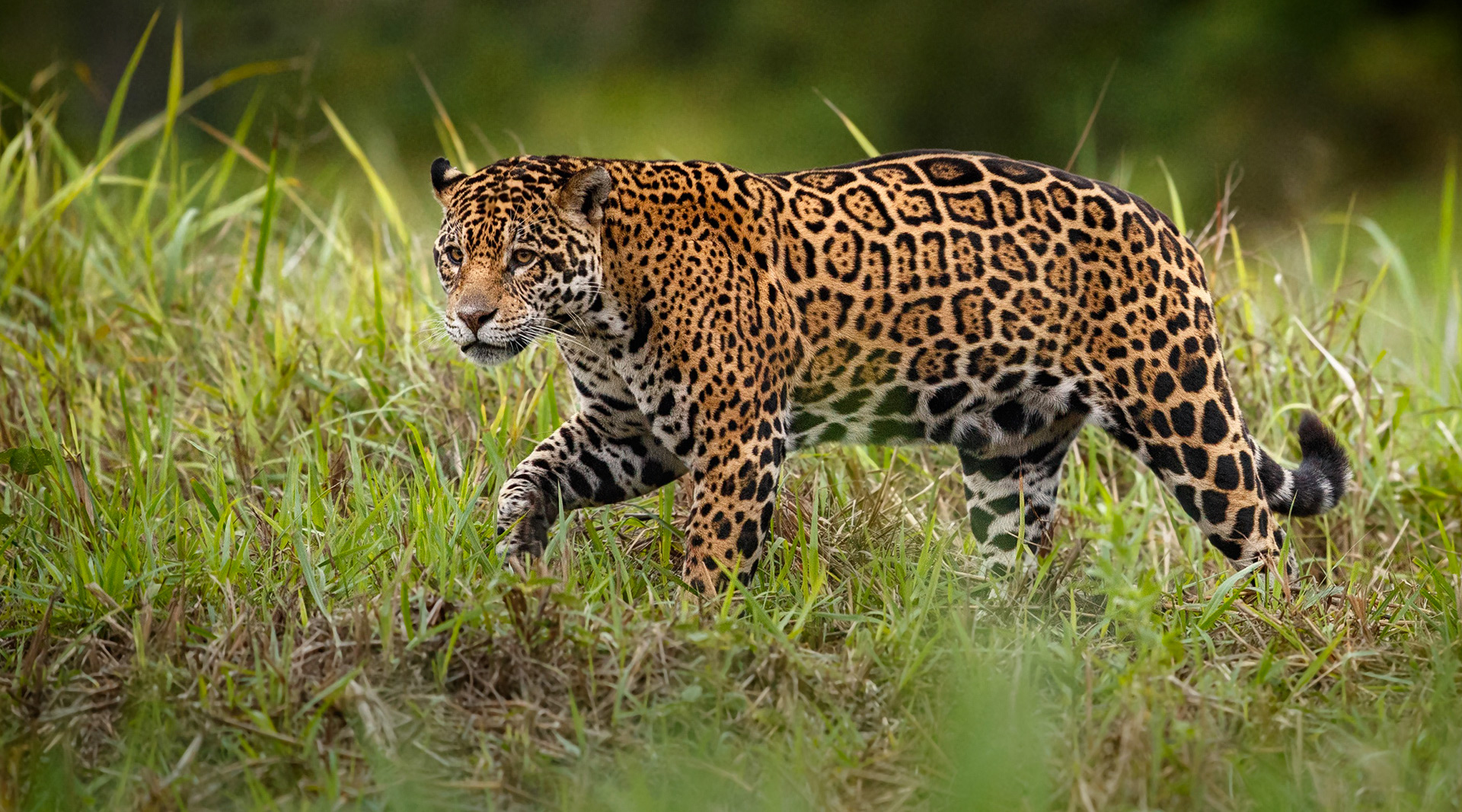
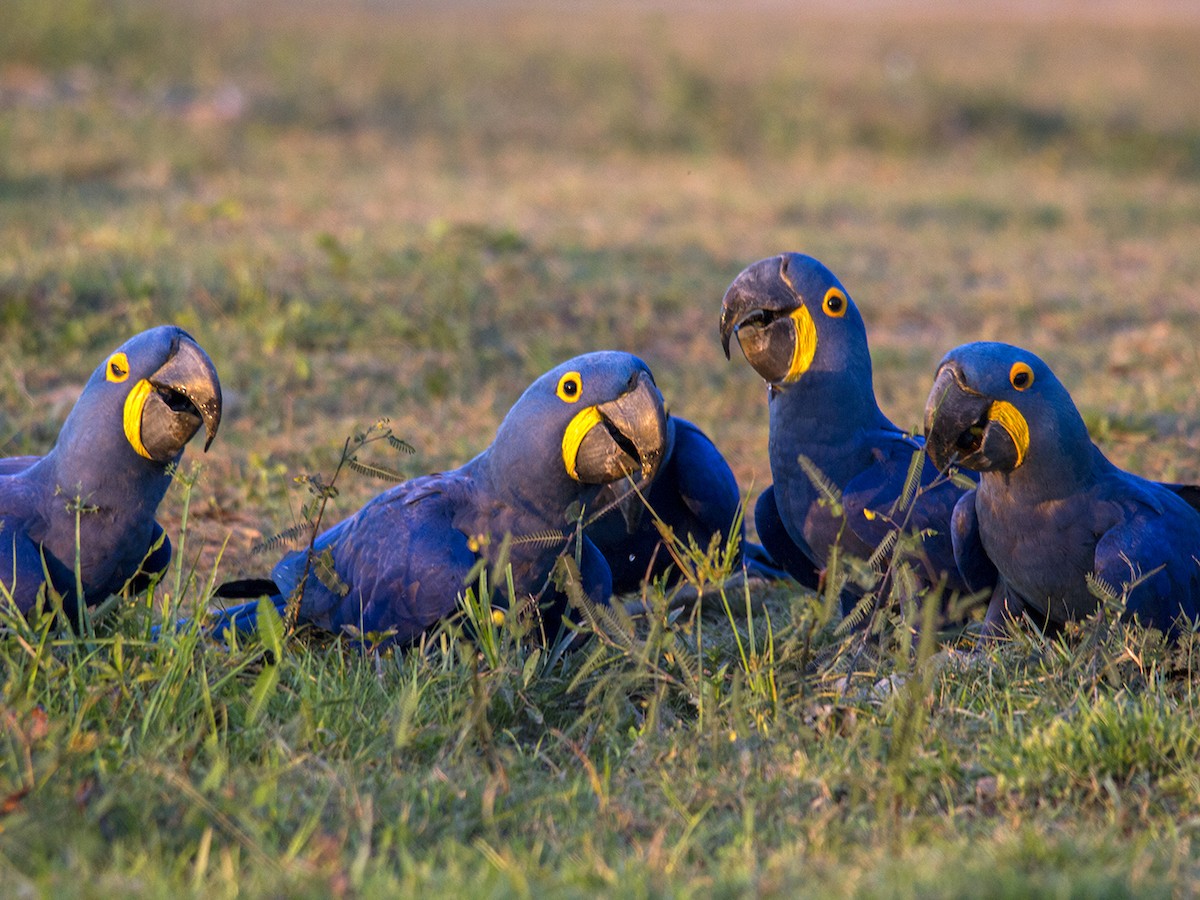
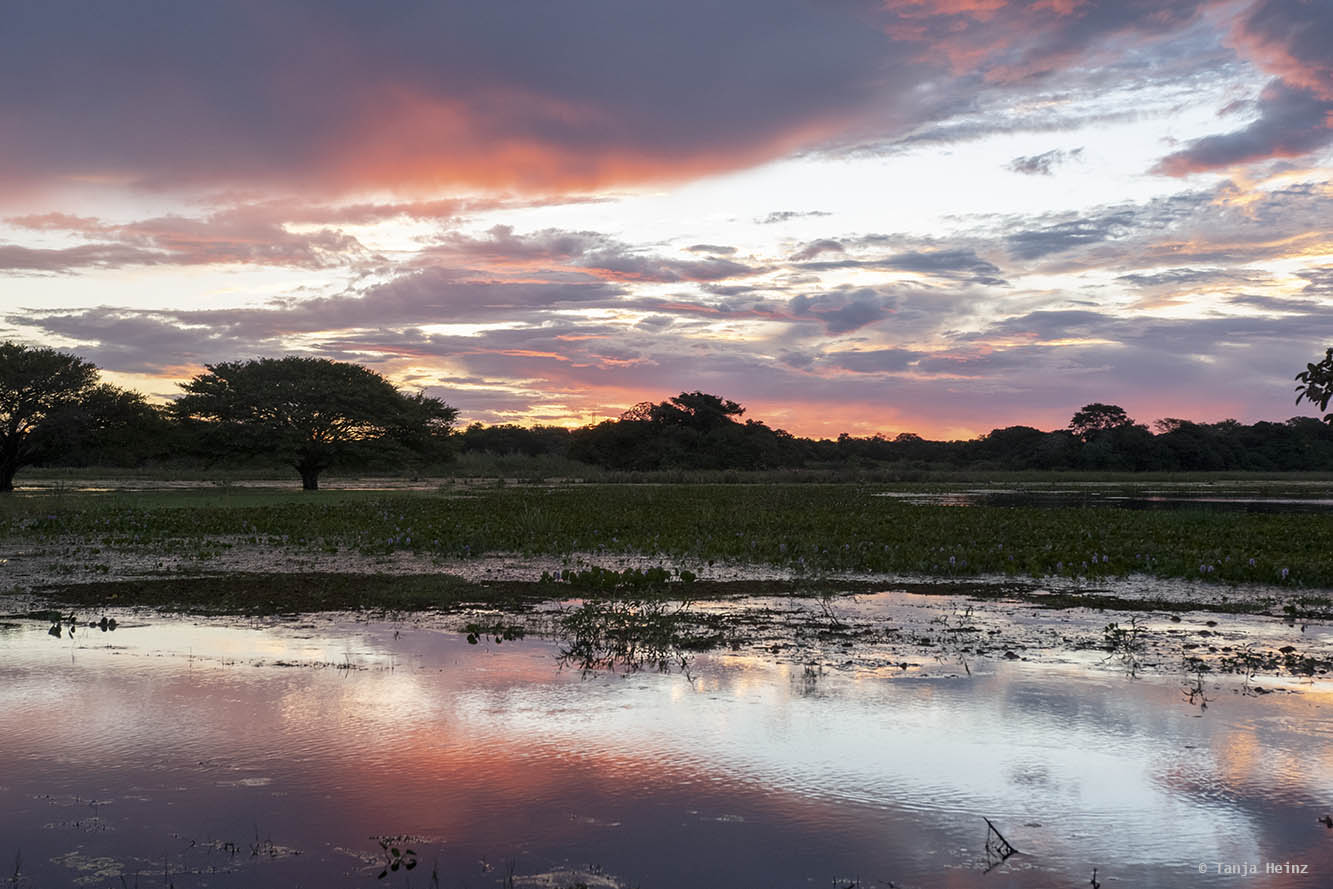
The Pantanal, spanning 195,000 square kilometers across Brazil, Bolivia, and Paraguay, is the world’s largest tropical wetland and a UNESCO World Heritage Site. Located primarily in Brazil’s Mato Grosso and Mato Grosso do Sul states, it’s renowned for its biodiversity, hosting over 650 bird species, 100 mammals, and countless reptiles and fish. Unlike the Amazon, its open floodplains make wildlife spotting easier, especially jaguars, capybaras, and caimans. The best time to visit is the dry season (May to October) when animals gather around water sources. Access is via Cuiabá (North) or Campo Grande (South) airports, with guided tours recommended for navigation.
Key Information
- Location Mato Grosso & Mato Grosso do Sul, Brazil
- Area 195,000 km²
- Best Time to Visit May-October
- Access Cuiabá or Campo Grande Airports
Current Weather
History of the Pantanal
The Pantanal’s unique ecosystem has been shaped by millions of years of geological activity, creating a vast floodplain fed by rivers like the Paraguay and Cuiabá. Indigenous peoples, including the Bororo and Guató, have lived here for centuries, adapting to its seasonal floods. European exploration began in the 16th century with Portuguese settlers, followed by cattle ranching that still defines the region’s culture. The Pantanal gained global recognition as a UNESCO World Heritage Site in 2000 for its biodiversity. Today, it faces threats from deforestation and climate-driven wildfires, but conservation efforts aim to protect this ecological treasure.
Pantanal at a Glance
Jaguar Safaris
Best place to spot jaguars
Birdwatching
Home to 650+ bird species
River Safaris
Explore wetlands by boat
Riding
Ride with Pantaneiro cowboys
Pantanal in Pictures


5-Day Pantanal Itinerary
Immerse yourself in the Pantanal’s wildlife and landscapes with this suggested itinerary.
- Morning: Arrive at Cuiabá Airport, transfer to lodge
- Afternoon: Settle into lodge, introductory walk
- Evening: Night safari to spot nocturnal wildlife
- Morning: Boat safari along Cuiabá River for jaguar spotting
- Afternoon: Guided walk to observe birds and capybaras
- Evening: Relax at lodge, enjoy local cuisine
- Morning: 4x4 safari to explore savanna and marshes
- Afternoon: Kayaking or horseback riding with Pantaneiros
- Evening: Stargazing in the Pantanal’s clear skies
- Morning: Birdwatching tour for hyacinth macaws and jabiru storks
- Afternoon: Visit a local Pantaneiro community
- Evening: Dinner featuring piranha stew
- Morning: Optional sunrise photo safari
- Afternoon: Transfer back to Cuiabá or Campo Grande
- Evening: Depart from airport
Explore the Pantanal on Maps
Traveler Experiences



Ready to Experience the Pantanal?
Plan your wildlife adventure today