About Salvador
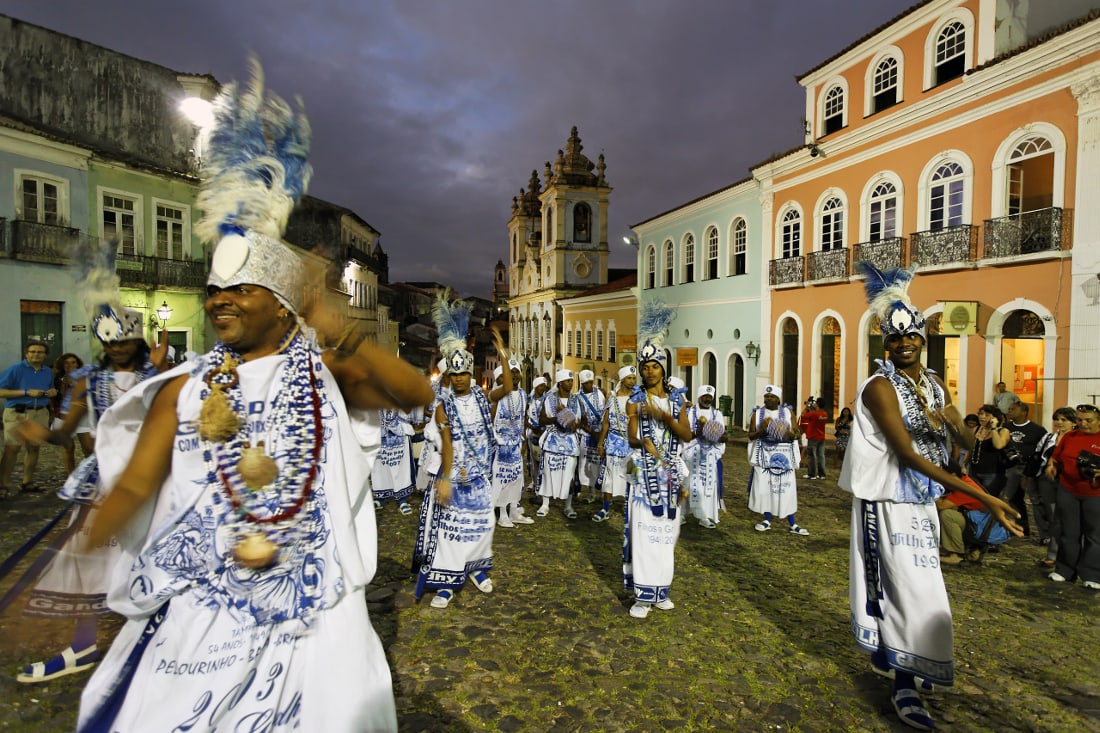
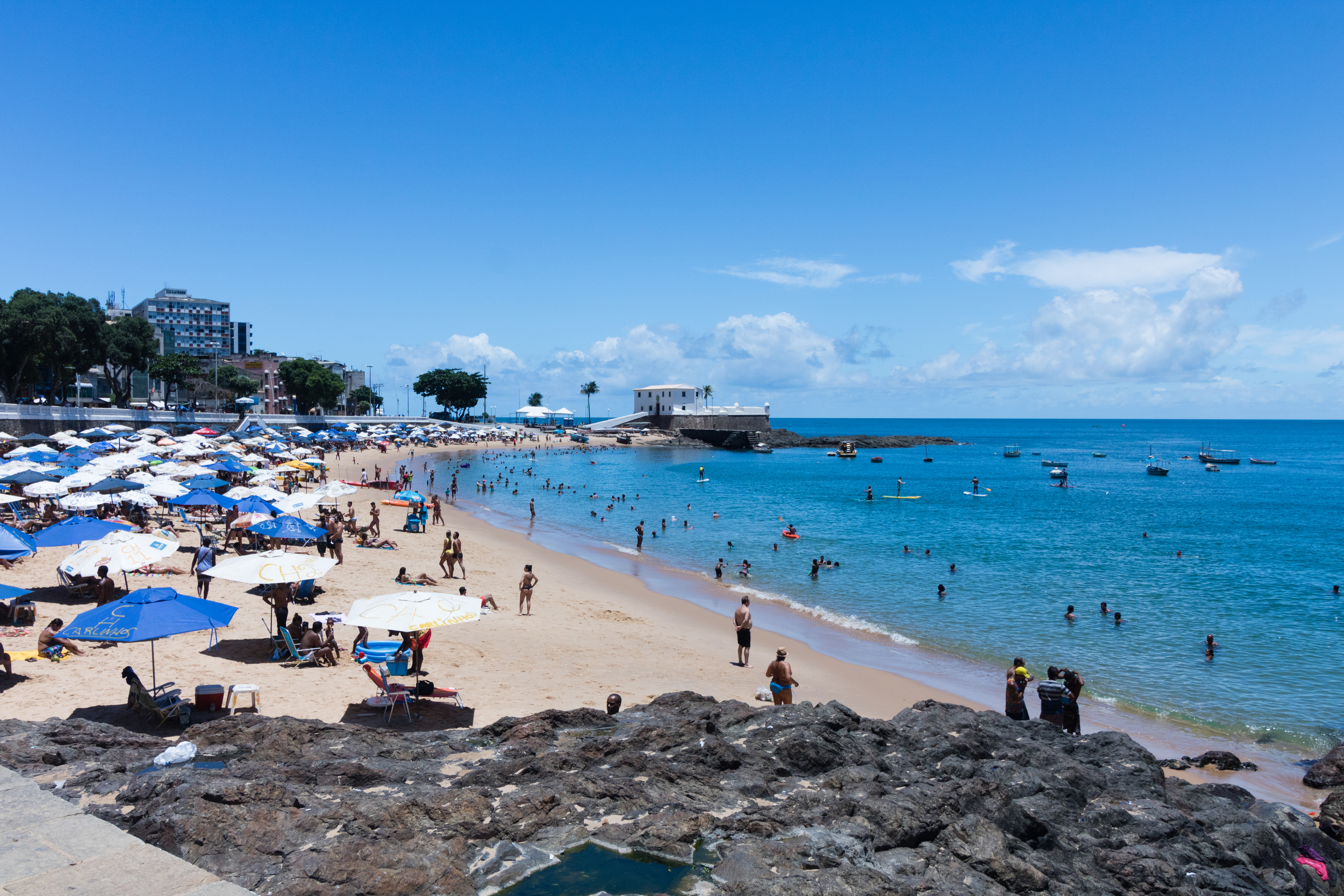
Salvador, the capital of Bahia, is Brazil’s first colonial capital (1549–1763) and a vibrant coastal city on the Atlantic. Known for its Afro-Brazilian culture, it’s a hub of music, dance, and cuisine, with influences from African, Portuguese, and indigenous roots. The historic Pelourinho district, a UNESCO World Heritage Site, boasts colorful colonial buildings and lively samba and capoeira performances. Salvador’s Carnival is one of the world’s largest street parties, drawing millions. Its beaches, like Porto da Barra, and culinary delights, such as acarajé, add to its allure. The best time to visit is during summer (December to March) for warm weather and festivals, especially Carnival in February or March.
Key Information
- Location Bahia, Brazil
- Population ~2.9 million
- Best Time to Visit December-March
- Access Flight to Salvador Airport
Current Weather
History of Salvador
Founded in 1549 by Portuguese settlers, Salvador was Brazil’s first capital until 1763, serving as a major port for the sugar trade and African slave trade. Its African heritage, brought by enslaved Yoruba, Fon, and Bantu peoples, shaped its culture, religion (Candomblé), and cuisine. The Pelourinho district, once a site of slave auctions, transformed into a cultural hub with restored 17th- and 18th-century architecture. Salvador’s role in Brazil’s independence movement and its preservation of Afro-Brazilian traditions make it a living museum. Today, it’s a vibrant city celebrating its diverse heritage through music, dance, and festivals.
Salvador at a Glance
Pelourinho
UNESCO historic district
Carnival
World’s largest street party
Beaches
Porto da Barra and Itapuã
Cuisine
Acarajé and moqueca
Salvador in Pictures
:max_bytes(150000):strip_icc()/GettyImages-127674813-57a36b3f3df78cf4590bb491.jpg)

3-Day Salvador Itinerary
Experience the vibrant culture and history of Salvador with this suggested itinerary.
- Morning: Arrive at Salvador Airport, transfer to city
- Afternoon: Explore Pelourinho, visit São Francisco Church
- Evening: Dinner with live samba or capoeira show
- Morning: Relax at Porto da Barra Beach
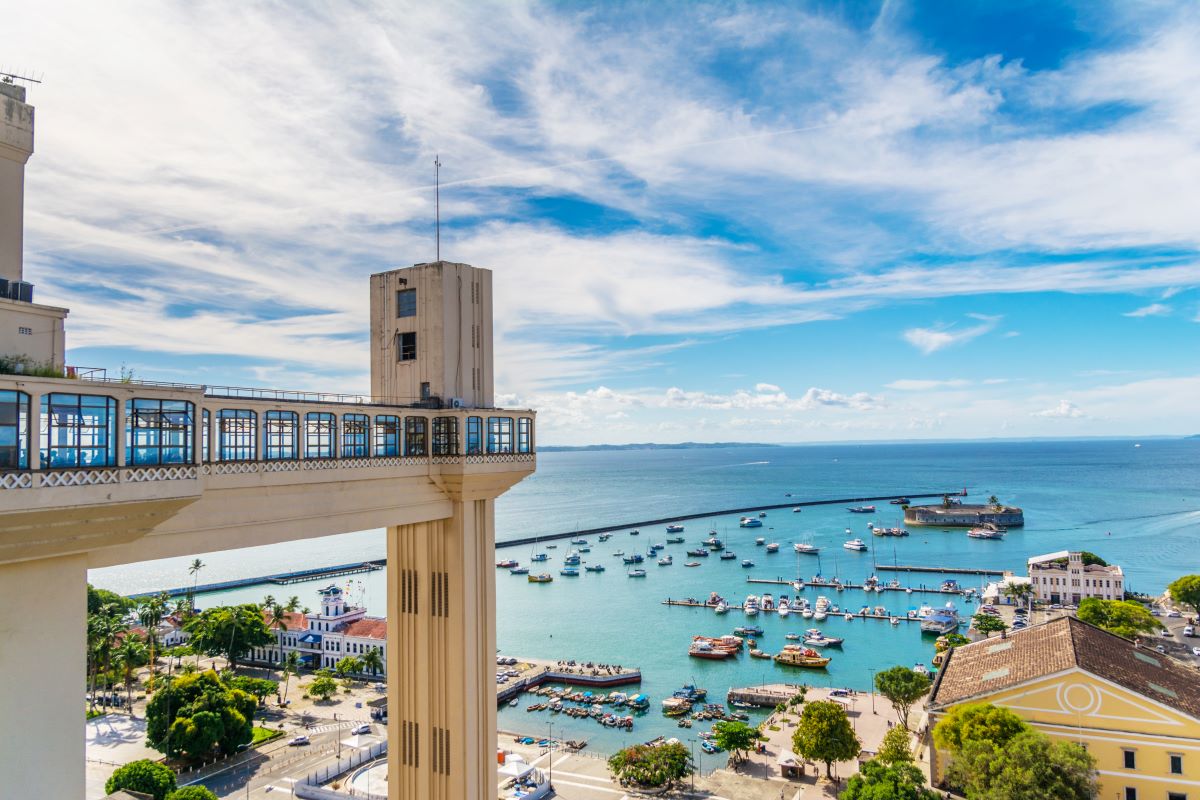
- Afternoon: Visit Elevador Lacerda and Mercado Modelo
- Evening: Try acarajé at a local street stall
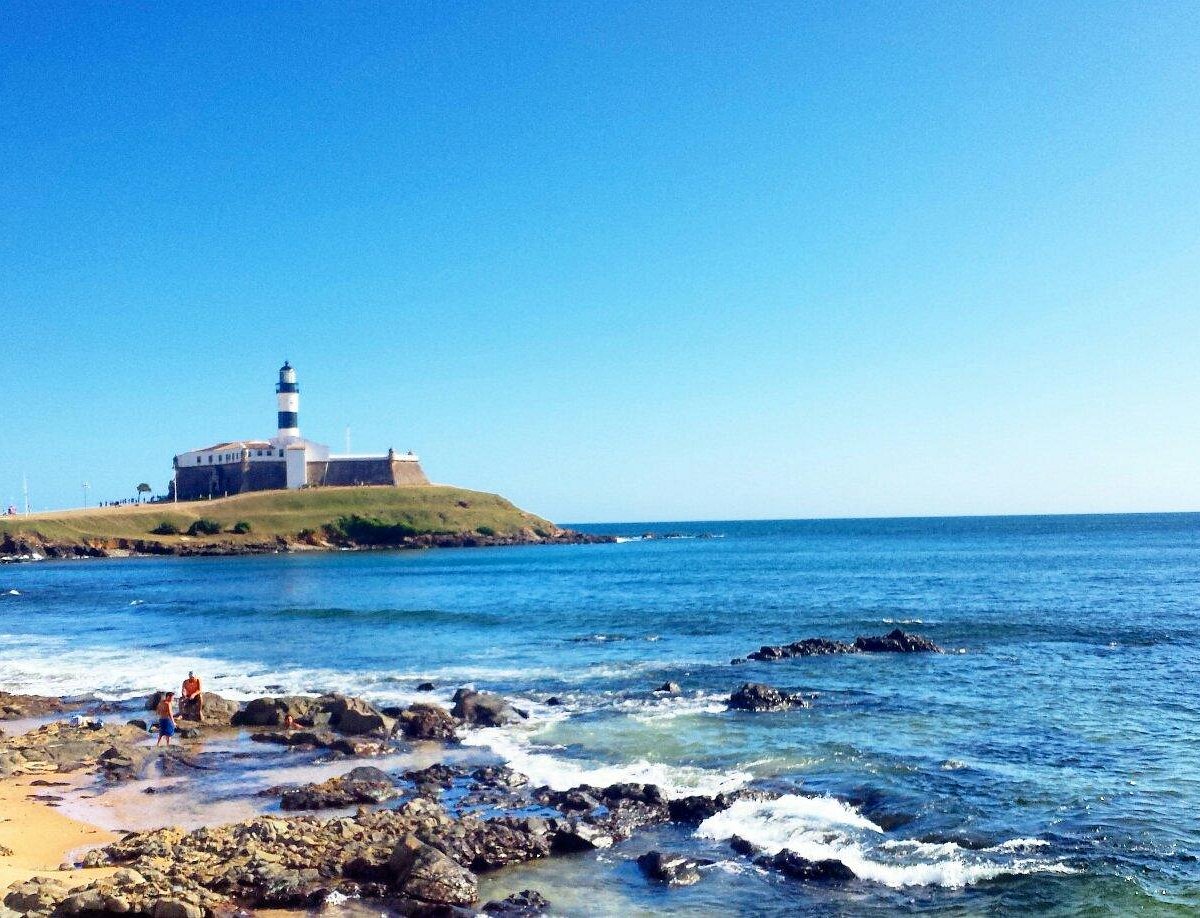
- Morning: Tour Farol da Barra and Forte de Santa Maria
- Afternoon: Visit Dique do Tororó or Nosso Senhor do Bonfim Church
- Evening: Depart from Salvador Airport
Explore Salvador on Maps
Traveler Experiences



Ready to Experience Salvador?
Plan your Bahian adventure today