About São Paulo
São Paulo is the largest city in Brazil and the Western Hemisphere, with a metropolitan population exceeding 22 million. Founded in 1554 by Jesuit missionaries, the city grew from a small settlement to become South America's most important financial and business center. São Paulo is known for its cultural diversity, with significant Italian, Japanese, Arab, and other immigrant communities contributing to its unique character. The city boasts world-class museums, theaters, restaurants serving cuisine from around the world, and a vibrant nightlife scene. Despite its concrete jungle reputation, São Paulo offers green spaces like Ibirapuera Park and numerous cultural attractions that make it a fascinating destination for urban explorers.
Key Information
- Location Southeast Brazil
- Population 12.3 million (city)
Current Weather
History of São Paulo
São Paulo was founded on January 25, 1554, by Jesuit missionaries Manuel da Nóbrega and José de Anchieta who established a mission to convert the local indigenous population to Catholicism. For centuries, it remained a small, isolated town until the 19th century when coffee plantations in the surrounding region brought wealth and European immigrants, particularly Italians. The city industrialized rapidly in the early 20th century, becoming Brazil's economic powerhouse. Waves of migration from other parts of Brazil and countries like Japan, Lebanon, and Portugal created the diverse metropolis of today. São Paulo's growth was so rapid that it earned the nickname "the city that couldn't stop."
São Paulo at a Glance
Gastronomy
Over 12,000 restaurants with 52+ cuisines
Culture
110+ museums and cultural centers
Green Spaces
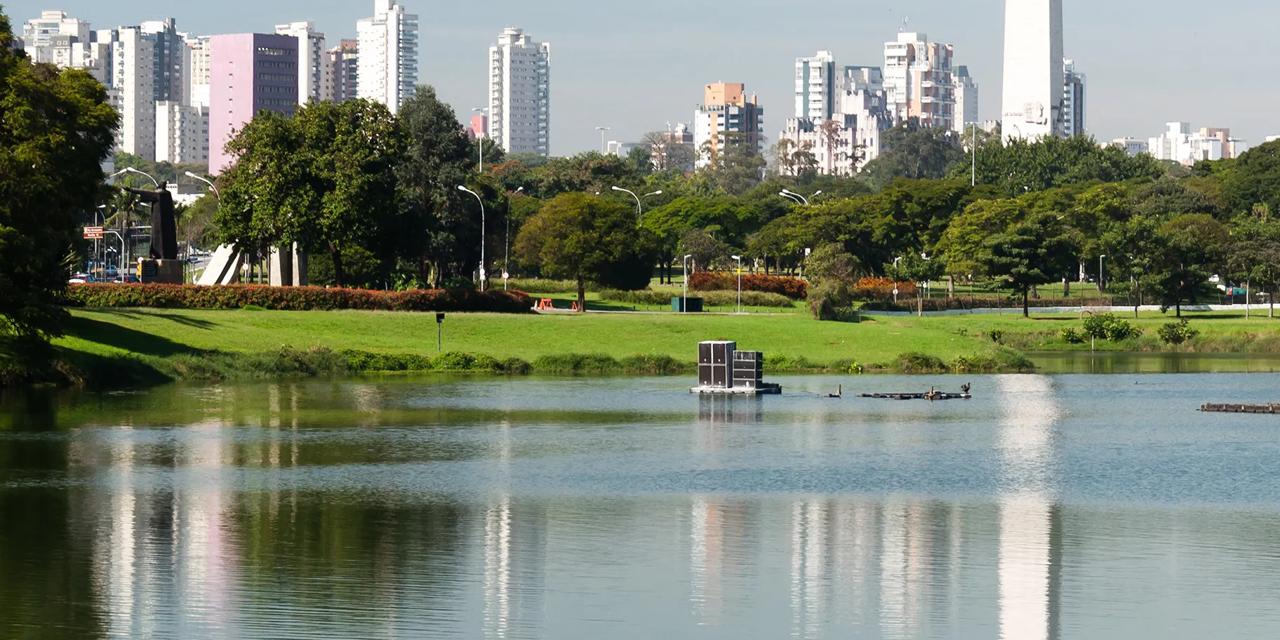
100+ parks including Ibirapuera Park
Architecture
Mix of colonial, modernist, and contemporary
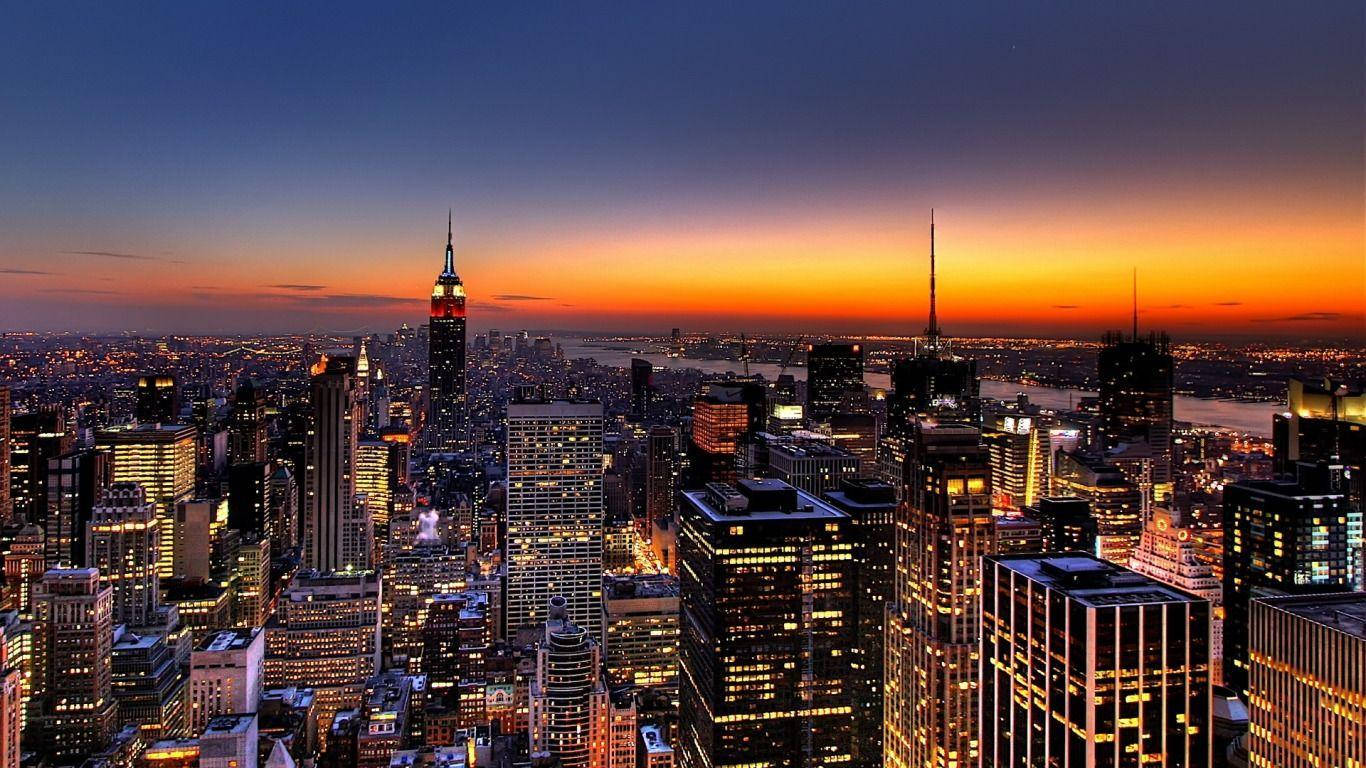
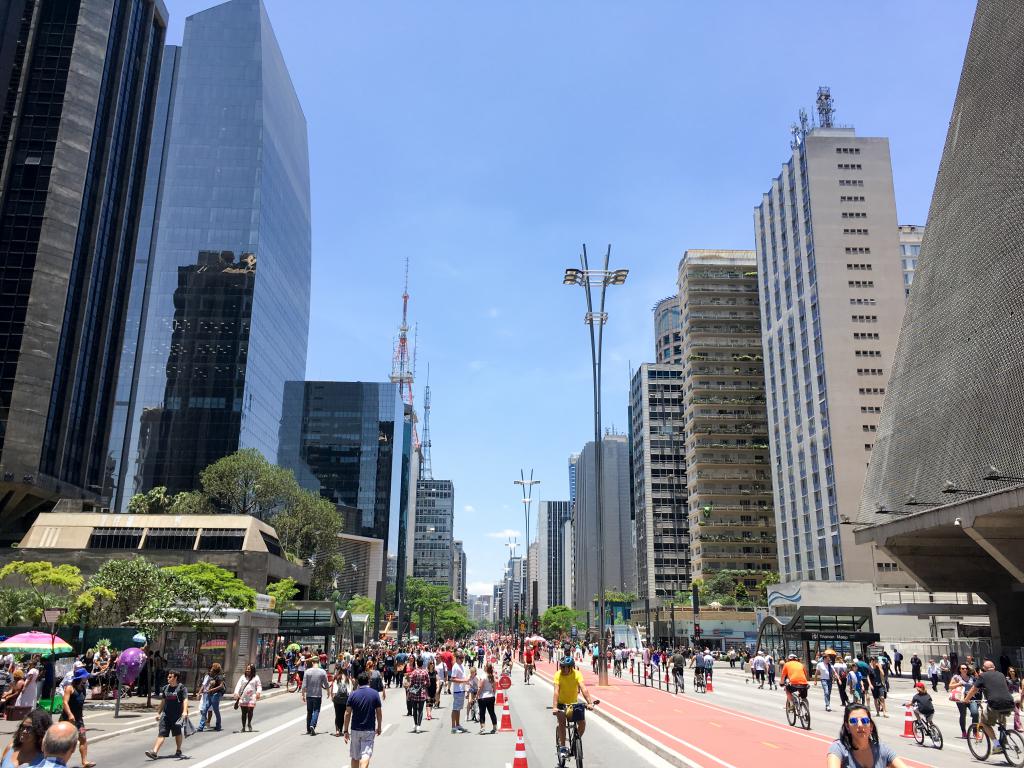
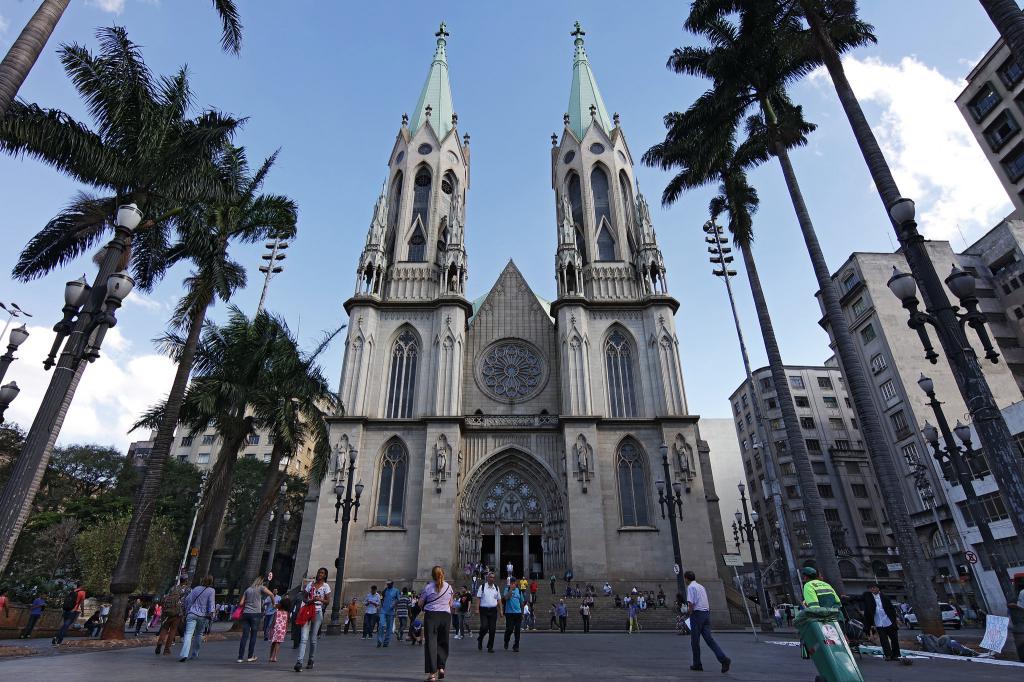
São Paulo in Pictures


3-Day São Paulo Itinerary
Experience the best of São Paulo with this suggested itinerary covering culture, food, and urban exploration.
- Morning: Visit Sé Cathedral and Pátio do Colégio
- Afternoon: Explore Municipal Market and Luz Station
- Evening: Dinner in Liberdade Japanese district
- Morning: Ibirapuera Park and museums
- Afternoon: Paulista Avenue and MASP museum
- Evening: Vila Madalena nightlife
- Morning: Pinheiros and Batman Alley street art
- Afternoon: Shopping at Oscar Freire or Iguatemi
- Evening: Sunset at Edifício Itália rooftop
Explore São Paulo on Maps
Traveler Experiences



Ready to Experience São Paulo?
Plan your Brazilian urban adventure today